
How Often Should You Clean Your AC, and What Happens If You Don't?
Many people only think about the AC when summer arrives and assume that as long as it still blows cold air, there is nothing to worry about. That is usually a mistake. A musty smell, weak cooling, or strange dripping can all be signs that the unit needs proper cleaning.
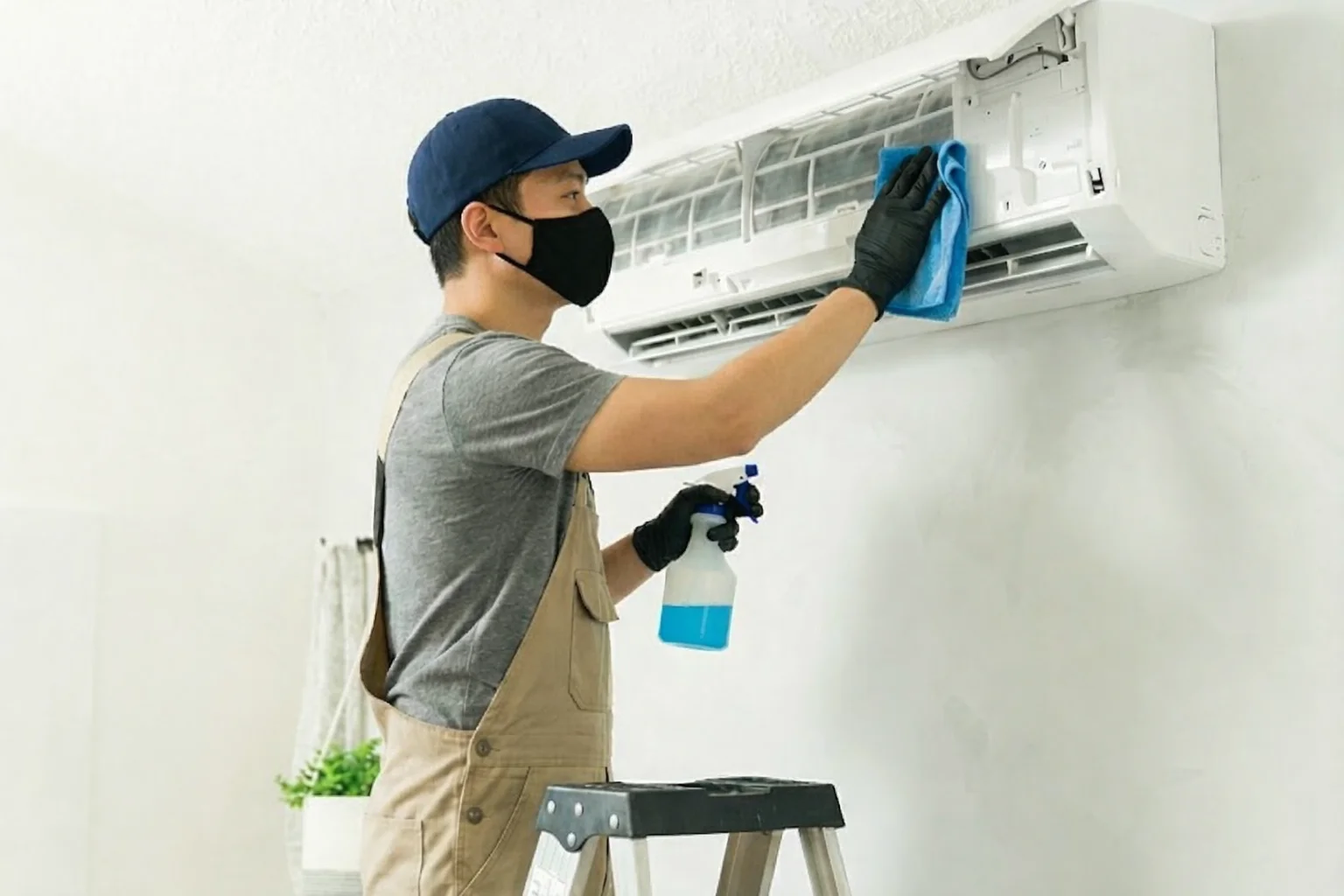
This article breaks down why regular AC maintenance matters and what practical cleaning schedule makes sense for different types of homes and workplaces.
What happens if you never clean the AC?
An uncleaned AC can become much worse than people expect:
- It becomes a breeding ground for mold and bacteria. Hong Kong's humid weather makes the inside of the unit especially vulnerable.
- Poor air quality can aggravate allergies, sneezing, coughing, asthma, and other respiratory issues.
- Dust-clogged filters and coils reduce cooling efficiency, so the unit consumes more electricity.
- Dirty drain trays and pipes increase the risk of clogging and dripping, while constant strain can shorten the life of key components.
So how often is the right schedule?
There is no single perfect answer. The right interval depends on how the unit is used and the environment around it:
- Typical household use: at least one deep clean each year, ideally before peak summer or after the hottest season ends.
- Homes with pets or frequent cooking: every 6 months is often better because hair, skin flakes, and oil vapor build up faster.
- Homes with children, older adults, or allergy-sensitive residents: every 6 months is strongly recommended.
- Offices and commercial spaces: because the AC often runs daily, a 3- to 6-month maintenance cycle may make more sense.
Cleaning the filter yourself vs. professional deep cleaning
Many people think rinsing the filter is the same as cleaning the entire AC. It is not.
- DIY filter cleaning: useful every few weeks to remove surface dust. It helps, but it does not reach the deeper buildup inside the unit.
- Professional deep cleaning: the casing and parts are opened properly, then the coil, drain area, and blower wheel are cleaned with suitable tools and solutions. That is what removes long-term grime, black water, and hidden mold.
The real benefits of regular AC cleaning
Paying for proper cleaning has practical returns:
- Lower electricity use because heat exchange and airflow recover closer to normal performance.
- Cleaner air with less odor, less mold, and fewer irritants blowing around the room.
- Longer service life because the system is not forced to run under unnecessary strain.
How do you choose a reliable AC cleaning company?
A few simple checks can help you avoid poor service:
- Transparent pricing with clear rates by unit type and quantity.
- Use of cleaning products that are safe for people at home and suitable for the equipment.
- Proper tools and a defined process, not just a superficial wipe-down.
- A short after-service warranty that shows the company is willing to follow up if a cleaning-related issue appears.
Summary
Regular AC cleaning is not a luxury. It is one of the most practical ways to protect indoor air quality, improve efficiency, and reduce the risk of expensive breakdowns later.
If your AC already smells bad, drips, or struggles to cool, it is usually better to deal with it early instead of waiting for the problem to get worse.
Questions? Message us on WhatsApp
WhatsApp us